

Should consequences be in the Christian parent’s toolbox?
Absolutely! Consequences can serve as powerful teaching moments for children; however, too often parents twist them into thinly veiled punishments, ultimately diminishing the valuable lesson that could be learned. Let’s find out how to effectively use consequences and why it might be best kept at the bottom of our tool box.
Let’s look a the two different kinds of consequences:
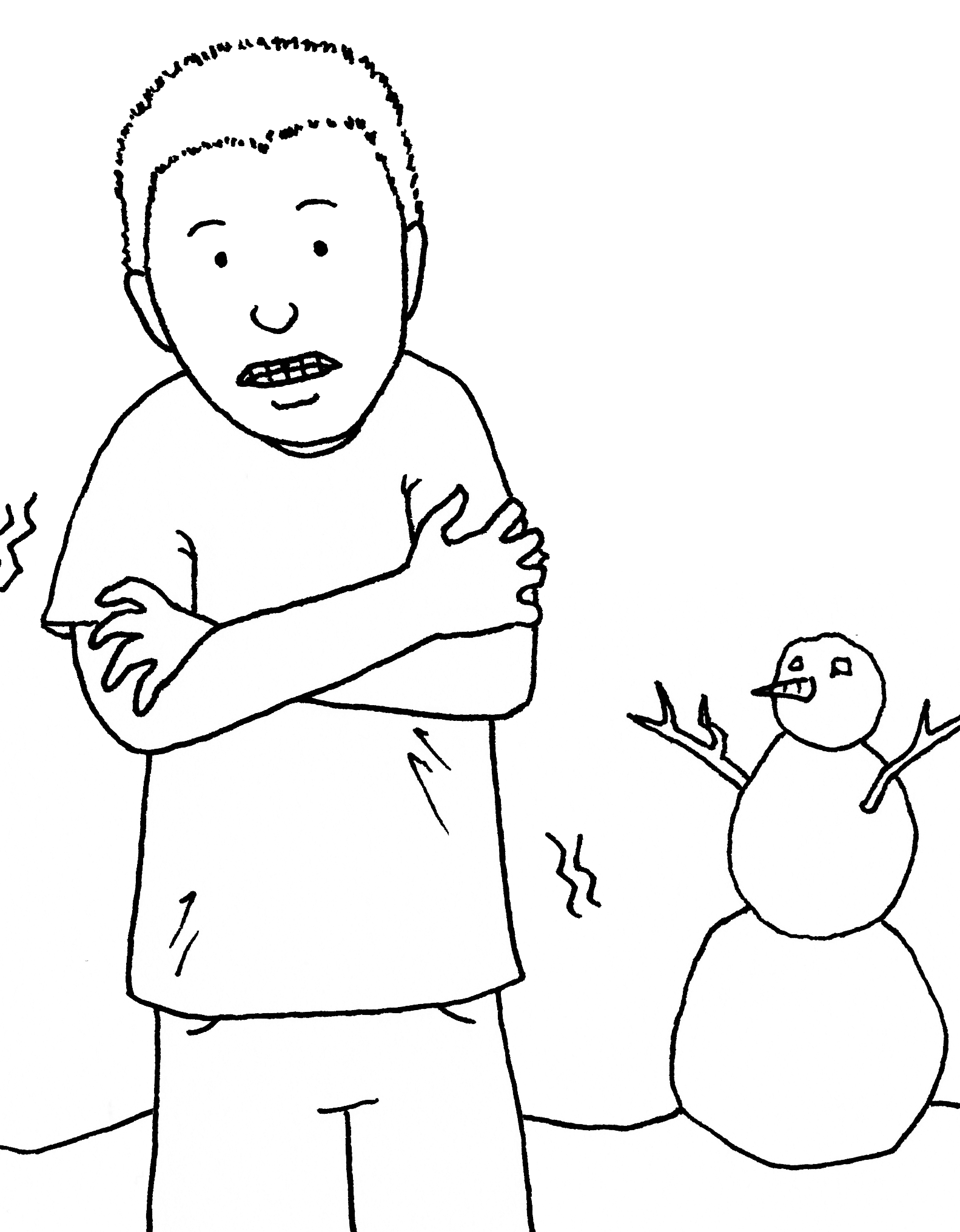
1. Natural Consequences: They happen naturally, with no adult interference. For example: when you stand in the rain you get wet; when you don’t eat you get hungry, when you forget your coat, you get cold.
Natural consequences provide valuable learning opportunities for children, yet they seldom occur. Well-meaning parents often swoop in to “rescue” their kids, robbing them of the chance to learn how to make better choices next time. When we allow a natural consequence to happen, we must remember:
- Don’t say, “I told you so!” Resist the urge to let those words escape your mouth.
- No Piggy Backing. Children usually feel bad or guilty when they make a mistake- they want to do better. Anything that adds more blame, shame or pain than the child might experience naturally from her choice is piggy backing. When adults do this they lessen the learning because now the child is focused on defending herself against your blame, shame, and pain.
- Show empathy and understanding. “I bet it was hard to go hungry (get wet, get that bad grade, etc).” It can be difficult for parents to be supportive without rescuing or over-protecting, but it is one of the most encouraging things you can do to help develop a sense of capability.
2. Logical Consequences: These require the intervention of an adult. To ensure a lesson is actually learned, the consequence should create a helpful learning experience that encourages a child to learn important social and life skills.
Logical consequences are often incorrectly used to make children pay for the past in stead of helping them learn for the future.
Logical consequences are related, respectful, reasonable, and helpful. For example: If you break a window you can earn money to pay for it. Or, if your clothes are not in the hamper, they won’t get washed.
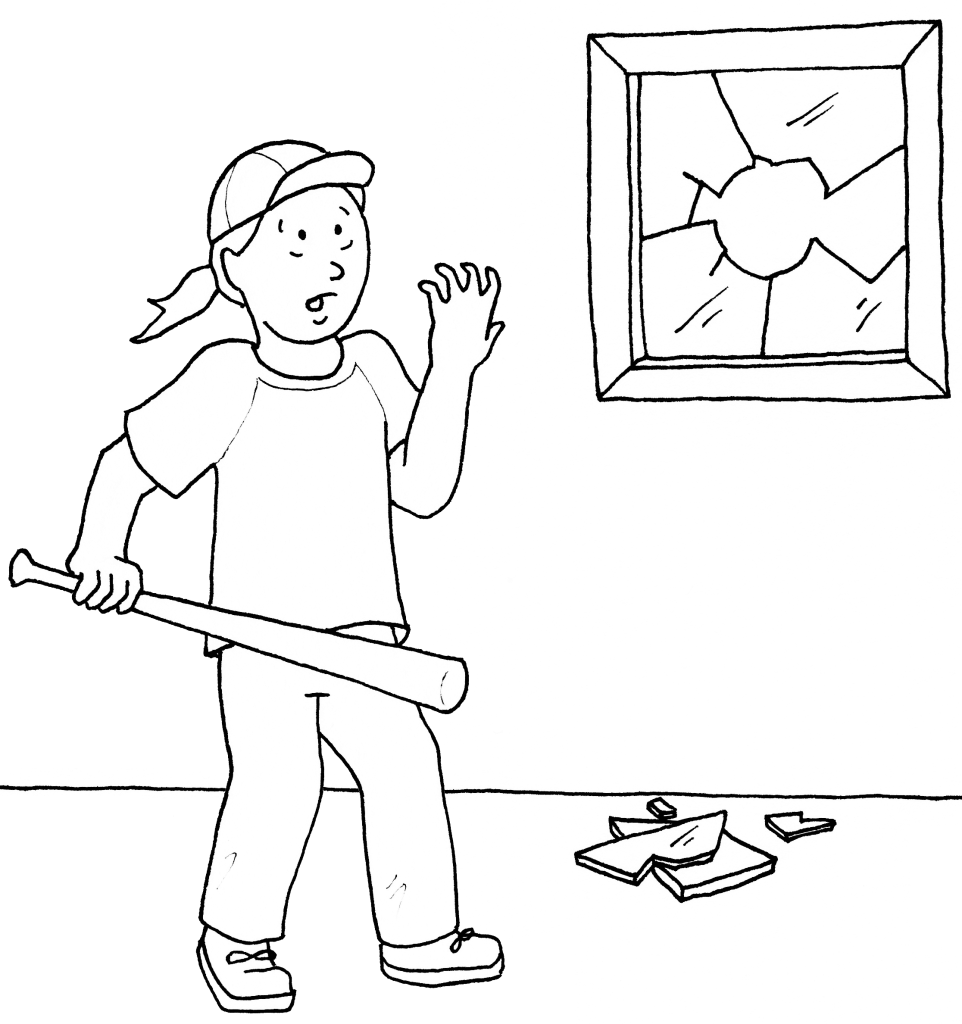
- Examples of consequences to breaking the window that are actually punishment:
- Not Related: you take away her iPad.
- Not Respectful: you yell at her.
- Not Reasonable: you make her pay to replace every window.
- Not Helpful: you ground her.
So if natural and logical consequences rarely happen, how should we handle most misbehavior?
Focus on Solutions
What’s the problem? What’s the solution?
Involve children in finding solutions to help them feel encouraged & empowered.
Instead of asking ourselves, “what’s the appropriate consequence”, let’s start asking, “what is it our child is showing us that they haven’t yet mastered.” Then we can take time for training and teaching the actions they need to take when faced with a similar situation in the future.
Are you ready to start focusing on solutions? Do you have a situation that you’re just not sure what the solution is? Comment below!
Illustrations by Laura V. Wilson
Subscribe to have articles like this one sent right to your email (almost) every Friday.
 Resources for Christian Discipline
Very insightful. I never thought about those different options. Thank you !! I
LikeLiked by 1 person
You’re very welcome!
LikeLike
It never occurred to me to think about those options. Thank you for pointing out these out to me.
LikeLiked by 1 person
So glad this was helpful to you!
LikeLike
this is good stuff. when a consequence wasn’t available, I’d ask our kids what they thought would help them. they didn’t always have an idea but just taking about it seemed useful.
LikeLiked by 1 person
I love that you asked the kids to share what they thought would be helpful to them! Brainstorming together is such a wonderful, non threatening way of finding solutions to problems!
LikeLike