
Pass ❌
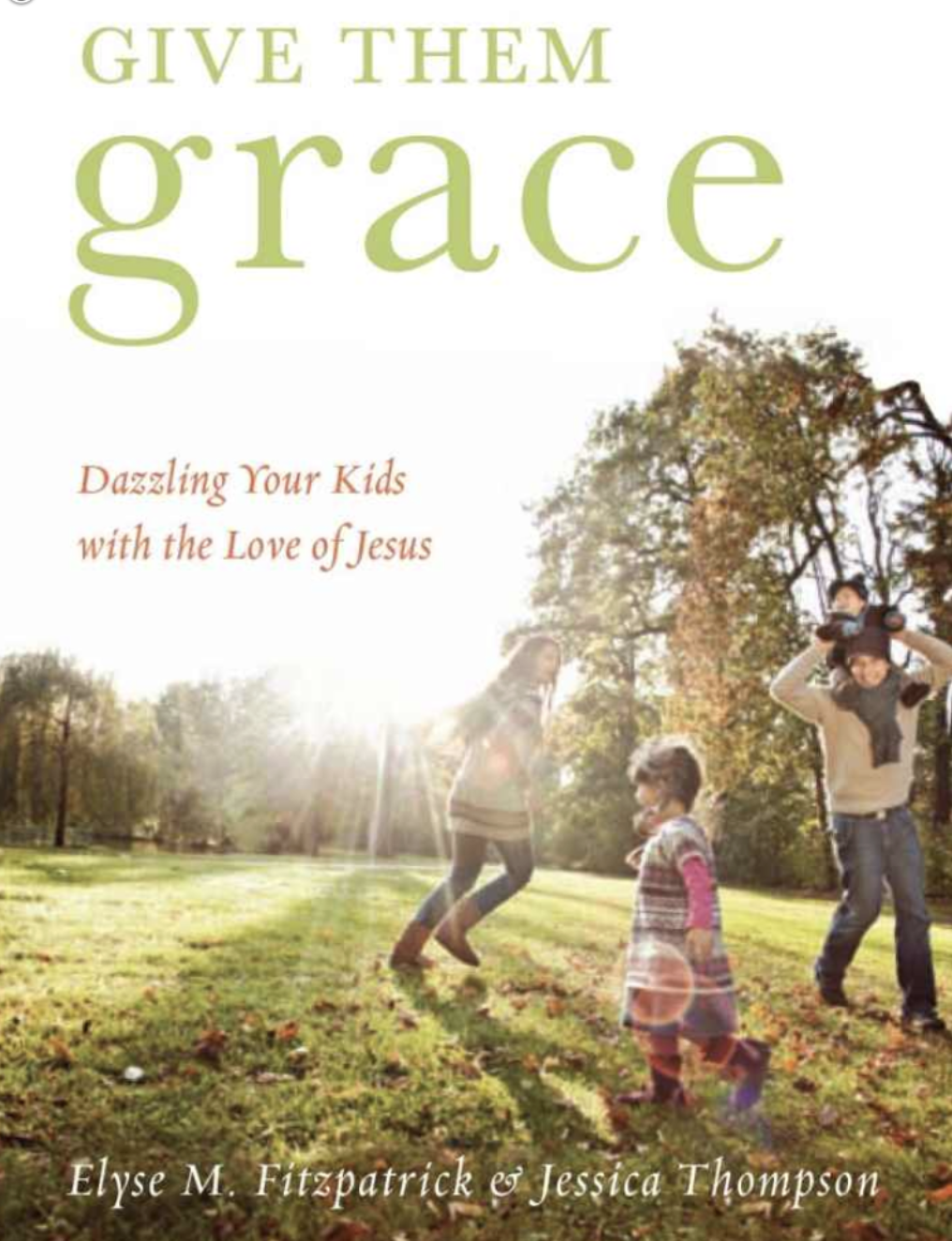
Another Christian book falls victim to great name, terrible content. Although I noticed red flags early on, the Bible doesn’t actually include a parenting “method”, so faithful Christian parenting can look different from home to home. I would never expect an author to agree with me on every detail, and I like to keep an open mind in hopes of gaining wisdom or a fresh perspective.
Here’s one little story that made me go “hmm…”. Fitzpatrick says the child who burps at the table, after being told not to, is being “willfully disobedient” and “sinful.” Insert eye roll. I’m not saying we aren’t born with a sin nature. And I’m not saying consequences don’t exist or that parents shouldn’t implement consequences*. BUT, only Jesus knows the heart- only Jesus knows whether a child’s actions are sinful or just developmental. Labeling a child’s behavior as ‘sin’ does nothing to help the parent move forward in finding a solution or teaching the skill the child is showing you they have not yet mastered.
One of the biggest issues I have with this book is the lack of basic child development. She says the two year old who won’t sit still during prayer should get one warning, then the “level of correction” needs to step up to a “firm slap on the hand or bottom.” Really Fitzpatrick? Shame and pain to develop a child’s prayer life?? Expecting a 2 year old to sit still is developmentally inappropriate, and no amount of “slaps” can speed up child development.
Fitzpatrick doesn’t come out and say, to obey God we must hit our children. But she does say she believes, “corporal punishment is a sign of a loving relationship.” Maybe you should re-read that. We are past red flag. We are at dumpster fire now. She also provides many examples of lengthy lectures to give the young child in a “time of discipline,” telling the child things like: “God commands me to train you to obey and if I fail to discipline you now, I will be disobeying God.” She uses the word “discipline”, but make no mistake, she means “hit”. Oh, and while we’re are talking about obeying, no one learns how to obey God by obeying their parents. That, my friend, is the work the Holy Spirit and Jesus, not our own efforts- can I get an Amen!?
She does give a disclaimer that her “time of discipline” speeches aren’t scripts to be memorized. But, why oh why, in a parenting book would you provide parenting examples that shouldn’t be applied to parenting…
*A logical consequence (when used without blame & shame) can be a very effective parenting tool, but the opportunities are very rare. Say, if a child breaks the neighbor’s window while playing ball, what’s the logical outcome? Instead of punishing the child, brainstorm with them to figure out how to right the wrong. They’ll probably suggest paying for the damages, which is a fantastic lesson in accountability and responsibility! Natural consequences (again, rare) happen when we don’t “rescue” our child and instead let them experience the result of their choice. Example: child does not want wear a raincoat, so then they get wet at recess (the key is to acknowledge their disappointment and to NOT say, ‘I told you so!” Most of the daily struggles we face with our children will not have an effective logical or natural consequence. For example, a child yelling at you or bedtime hassles. Some parents like to label times outs or spanking as natural consequences, but in truth, they are just punitive punishments, void of teaching new skills and instead heap blame, shame, and pain onto the child. What should we do with these daily struggles? Focus on parenting tools that teach the child what to do instead.
 Resources for Christian Discipline